Wendy Schmidt · 18 October 2026
Public Libraries Roll Out Equipment Sharing Initiatives for Historic Textile Tools
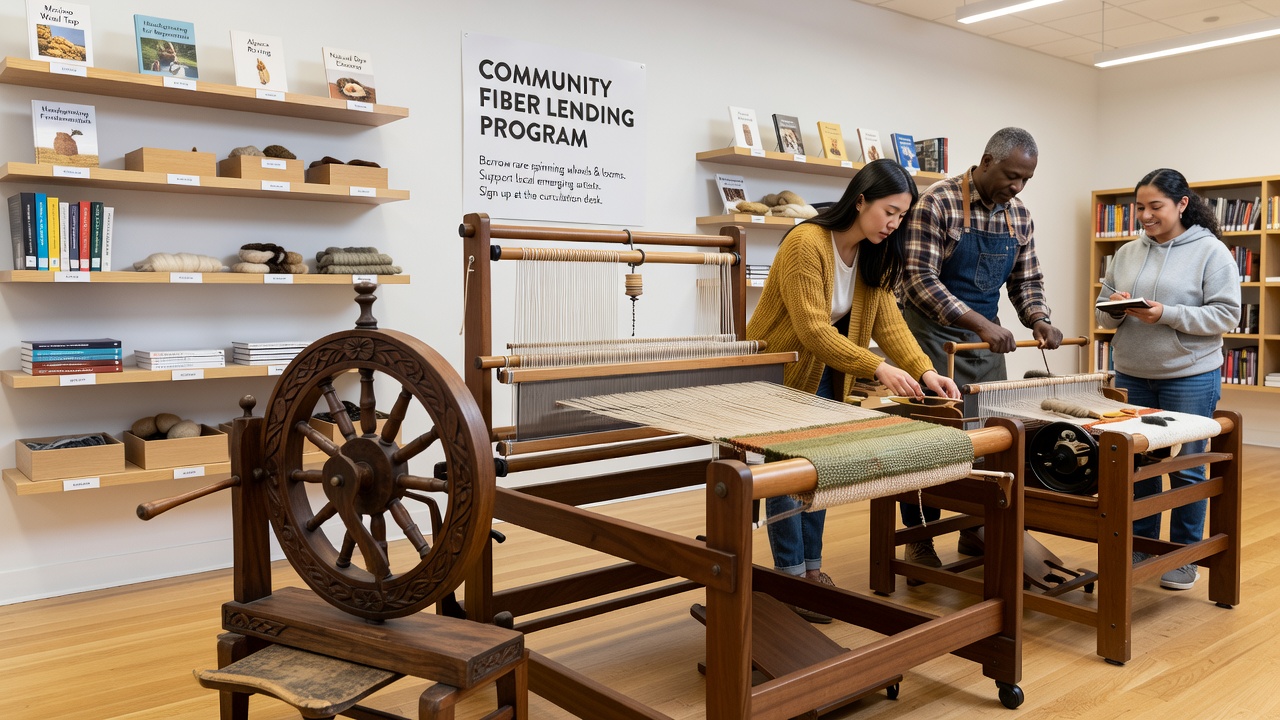
Public libraries across multiple regions have started lending programs that make rare spinning wheels and looms available to emerging fiber artists, and these initiatives connect local institutions with craft communities that seek affordable access to specialized equipment. Data from library networks indicates that participation rates in textile programs rose steadily through 2025, while partnerships formed with historical societies and fiber guilds help source and maintain the items. Programs often include orientation sessions where staff demonstrate basic operation, and borrowers receive training on care protocols before taking equipment home. Several library systems in the Midwest and Pacific Northwest began pilot versions of these lending programs in late 2025, and expansion plans call for additional sites to open by October 2026. Collections typically feature restored antique wheels from the early twentieth century alongside more recent portable looms, and catalog records show that each item carries detailed provenance information along with usage logs. Circulation policies require borrowers to complete short certification courses that cover tension adjustment and basic maintenance, and these requirements help extend the lifespan of the loaned pieces.Partnership Models and Collection Sourcing
Libraries collaborate with regional fiber arts organizations to identify and acquire equipment, and donations from private collectors supply many of the rarer pieces. One documented case in a mid-sized city involved a retired weaver who contributed three Saxony wheels and a table loom after learning about the lending program, and staff cataloged the items with assistance from a local historical society. Acquisition budgets draw from both municipal allocations and targeted grants, while ongoing restoration work often involves volunteer conservators who specialize in wooden machinery. Training modules developed by participating libraries emphasize safety and historical context, and participants learn to recognize signs of wear that require professional attention. According to records maintained by the American Library Association, textile equipment lending has grown faster than other hobby tool programs in recent years, and figures reveal steady increases in first-time users who identify as beginning fiber artists. Geographic distribution shows higher adoption in areas with established craft fairs and guilds, whereas urban branches report demand from younger demographics exploring natural fiber techniques.Usage Patterns and Community Impact
Borrowers typically check out items for two to four weeks, and renewal options depend on demand and equipment condition. Usage data collected through digital checkout systems indicates that spinning wheels see heavier circulation during winter months, while looms tend to circulate more consistently year-round. Community workshops hosted at library branches supplement the lending service by offering group instruction, and these sessions often feature guest artists who demonstrate advanced techniques on the same equipment available for home use.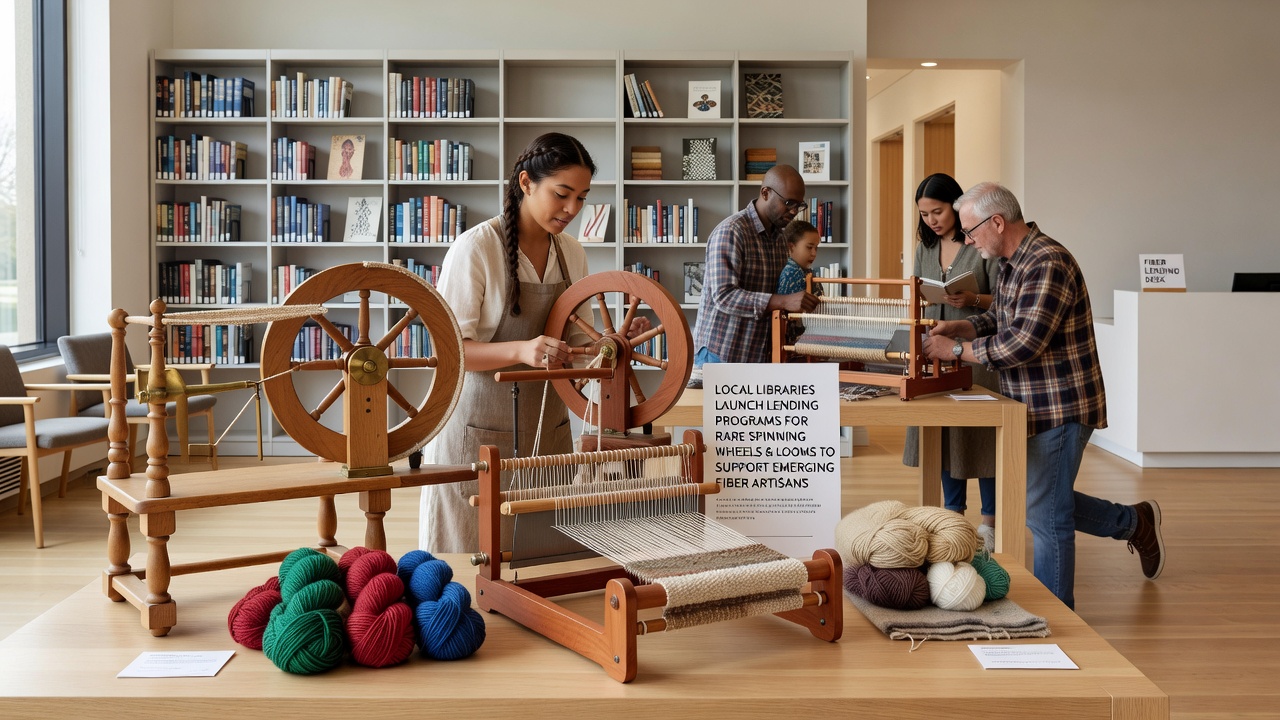 Support networks have formed around these programs, and online forums allow borrowers to share troubleshooting tips and project updates. Research conducted by textile studies departments at several universities tracks skill development among participants, and preliminary findings show measurable gains in technical proficiency after three months of access. Libraries in Canada have adopted similar models, with one provincial system reporting that its fiber equipment collection now includes over forty items distributed across ten branches.