Taylor Griffin · 20 September 2026
Global Forums Examine Fast Fashion Pressures on Artisan Spinners
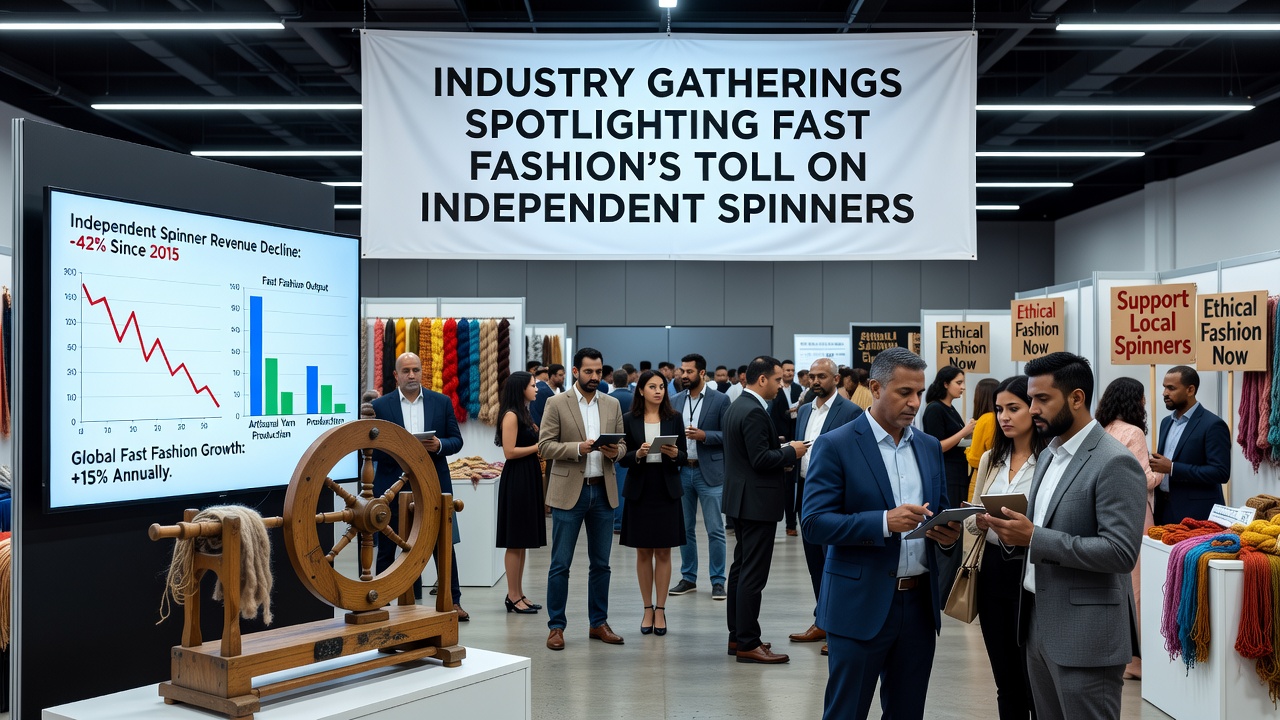
Industry events scheduled across multiple continents in September 2026 bring together fiber producers, supply chain analysts, and textile researchers to review how rapid apparel production cycles affect independent spinners who rely on traditional methods and local fiber sources, and data from these sessions indicate that mass-market clothing trends have reduced demand for hand-processed yarns by shifting consumer preferences toward lower-cost synthetic alternatives produced at scale.
Organizers of the upcoming gatherings note that attendance has risen steadily since earlier meetings held in 2024 and 2025, with participants traveling from North America, Europe, and Asia to share production statistics and market observations, while presentations focus on how fast fashion brands release new collections every few weeks and thereby create pricing structures that independent spinners find difficult to match without compromising material quality or labor standards.
Market Data Presented at Recent Sessions
Figures compiled by trade analysts and presented at preparatory webinars reveal that global apparel output reached 120 billion garments in 2025, with synthetic fibers accounting for over 65 percent of that volume according to reports issued by the Organisation for Economic Co-operation and Development, and these numbers illustrate why small-scale spinners report declining orders for wool, cotton, and linen yarns that require longer production times and command higher per-unit costs.
Researchers from academic institutions in Australia and Canada have contributed datasets showing regional variations, with Australian wool growers documenting a 22 percent drop in direct-to-spinner sales over the past three years while Canadian flax producers observe similar patterns linked to imported fast-fashion inventory, and these studies emphasize that independent operators lack the volume discounts and automated processing lines available to large mills supplying chain retailers.
Supply Chain Effects Highlighted by Participants
Spinners attending the forums describe how they once supplied boutique knitwear makers and regional yarn shops, yet many now pivot toward specialty fibers or direct-to-consumer online sales because wholesale contracts have decreased, and session moderators facilitate discussions on adapting fiber preparation techniques to meet niche markets that value traceability and natural color variations over uniformity.
One case presented involves a cooperative of spinners in the Pacific Northwest that reduced its workforce by half after two major clients switched to imported yarns priced 40 percent lower, while similar accounts from European participants detail shifts in sourcing patterns documented by the European Environment Agency that track increased reliance on polyester blends, and attendees examine these examples to identify shared strategies for maintaining viability without adopting industrial methods.
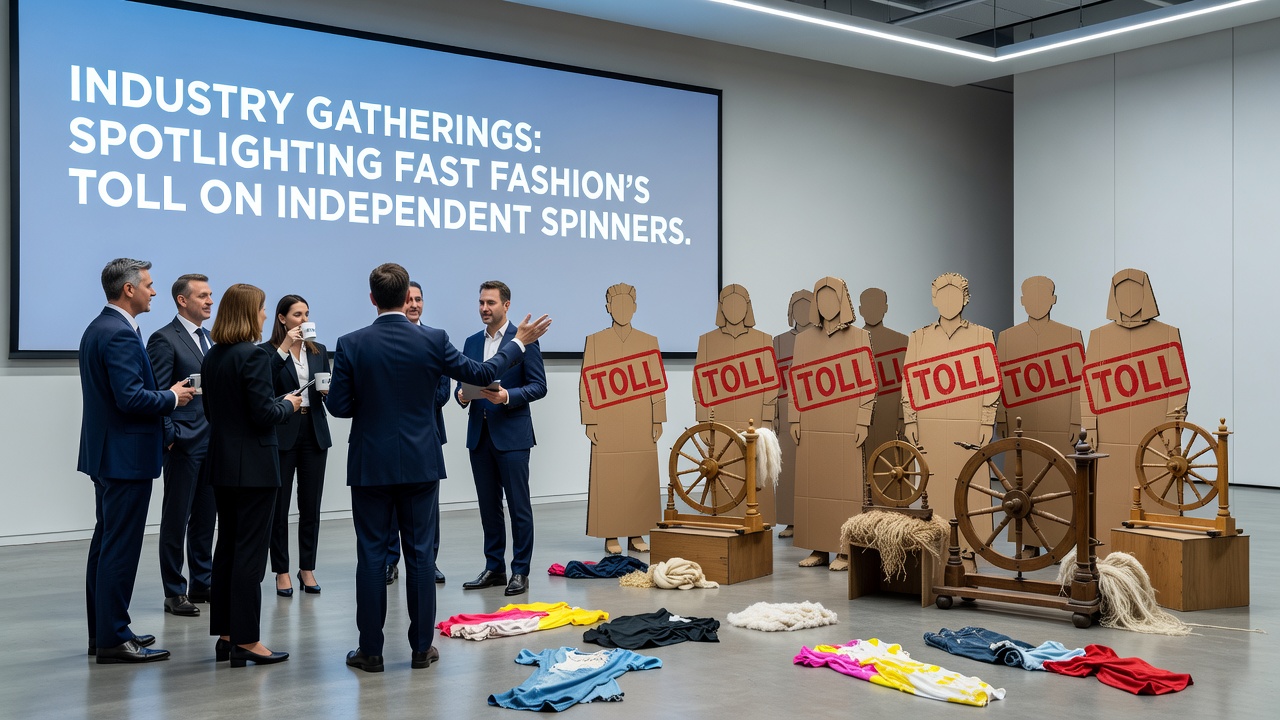
Equipment suppliers and fiber brokers participating in the September 2026 events demonstrate updated carding and spinning tools designed for smaller batches, noting that these machines allow independent producers to increase output without scaling to factory levels, and demonstrations include comparisons of energy use and waste generation between artisanal and mass-production approaches.
Policy and Certification Discussions
Policy experts from regulatory bodies in the United States and the European Union outline labeling requirements that distinguish handcrafted yarns from machine-spun equivalents, with proposals under review that would mandate origin and processing disclosures on finished garments, and these measures aim to provide consumers clearer information when choosing between fast-fashion items and products from smaller suppliers.
Certification programs discussed at the gatherings include updated standards from the Global Organic Textile Standard and the Responsible Wool Standard, both of which incorporate criteria for smallholder fiber producers, and presenters report that adoption rates among independent spinners have grown as these labels help differentiate their yarns in crowded marketplaces dominated by low-cost imports.
Conclusion
The September 2026 industry gatherings compile quantitative evidence and operational case studies that document how fast fashion production volumes influence pricing and demand patterns faced by independent spinners, while participants review adaptation approaches ranging from equipment upgrades to certification participation and direct sales channels, and teh compiled materials from these events contribute to ongoing industry records on fiber supply dynamics.