Casey Krause · 4 October 2026
Coastal Communities Document Vanishing Dye Plants Through Artist-Ethnobotanist Partnerships
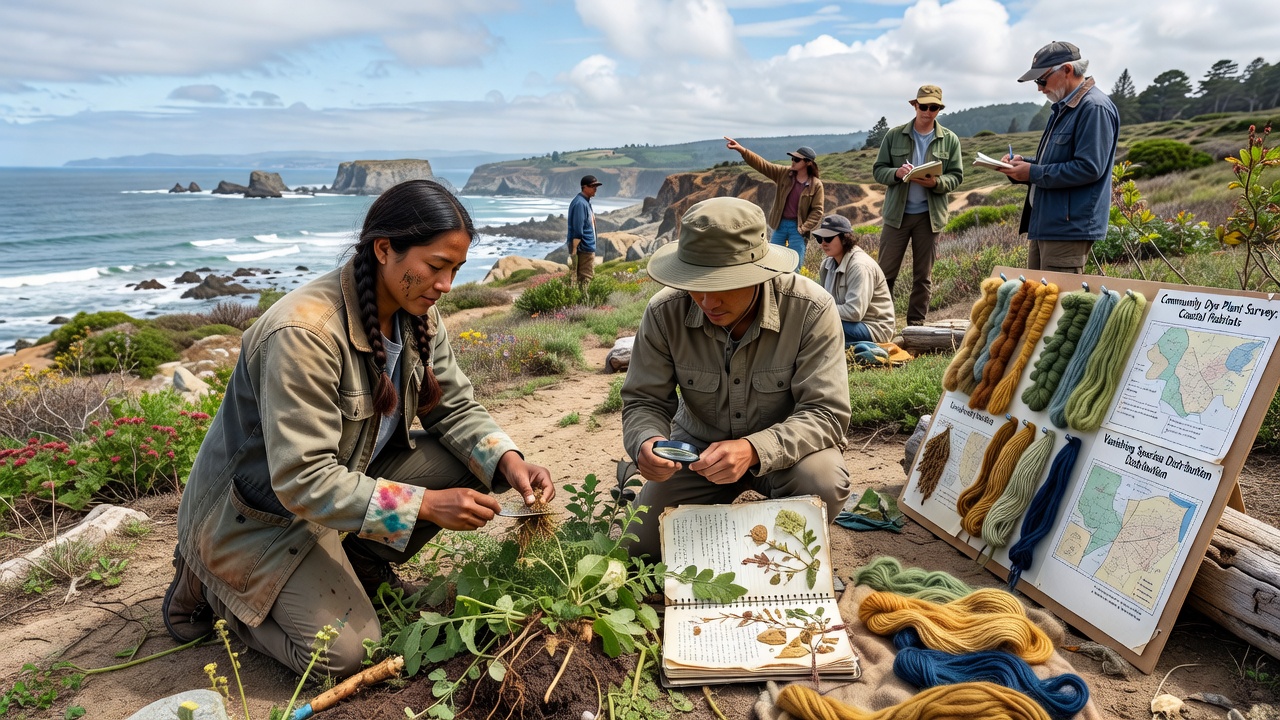
Coastal regions along the Pacific and Atlantic shores have seen increased collaboration between fiber artists and ethnobotanists since the early 2020s, with teams now focusing on mapping wild dye plants that have declined due to habitat loss and changing climate patterns. These efforts rely on community-sourced field records collected by local residents, artists, and researchers who document plant locations, growth conditions, and traditional uses in real time.
Project Scope and Methods
Teams operating in areas from northern California to British Columbia have compiled records of species such as Rubus spectabilis and various Salix varieties, while parallel work along the eastern seaboard tracks plants like Prunus serotina and coastal lichens used for natural dyes. Participants upload observations through shared digital platforms that allow cross-verification of sightings, and data collected in this manner feeds into regional databases maintained by university botany departments and environmental agencies.
Community members contribute photographs, GPS coordinates, and notes on seasonal changes, which ethnobotanists then cross-reference with historical herbarium specimens to identify population shifts over decades. Fiber artists supply practical knowledge about dye extraction techniques that help prioritize which plants warrant closer monitoring because of their cultural or economic value to textile traditions.
Data Collection in 2026
By October 2026, several coastal mapping initiatives had released updated datasets showing measurable reductions in wild dye plant density at multiple sites, with some species recorded at only 40 percent of their documented 2015 levels. These figures come from repeated surveys that combine professional transects with volunteer observations submitted throughout the growing season.
One study released that month by researchers at the University of Victoria integrated three years of community records and revealed accelerated loss in intertidal zones where rising sea levels have altered soil salinity. The report noted that local spinners and weavers had flagged several dye sources as increasingly scarce, prompting targeted follow-up fieldwork in those locations.
Regional Examples and Record Integration
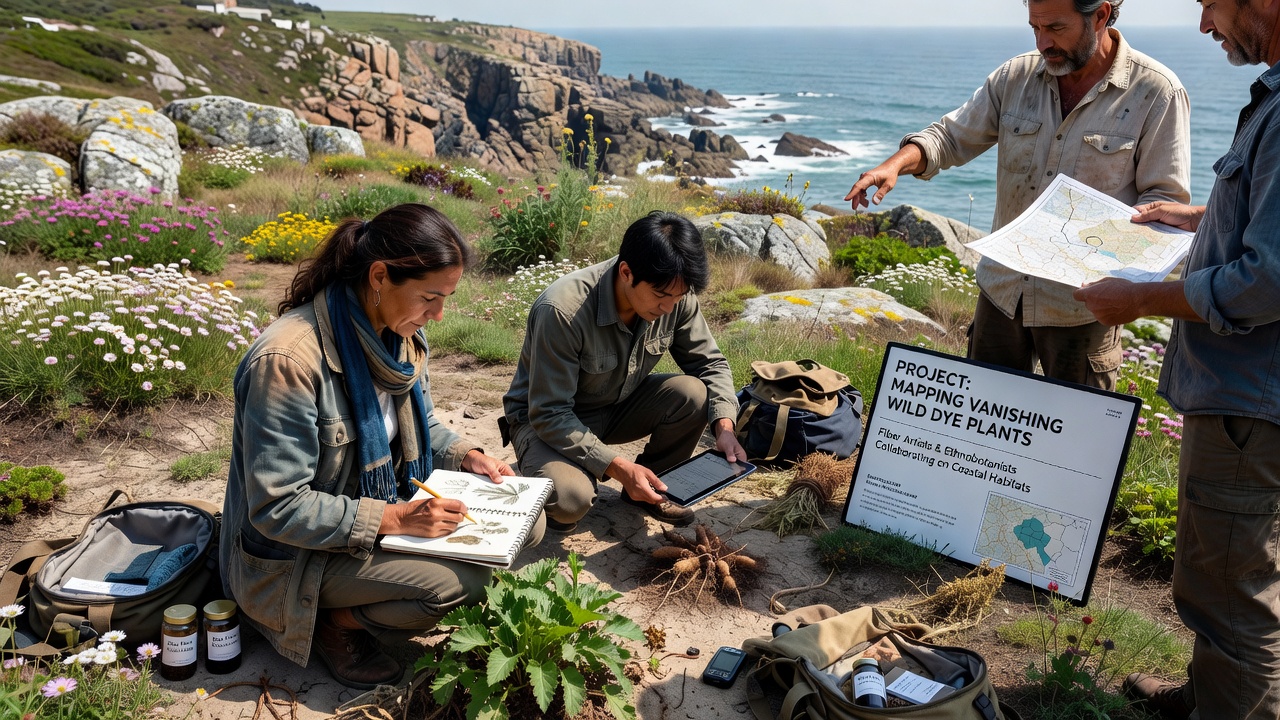
In the Pacific Northwest, artist-led workshops have trained dozens of residents to identify and log dye plants during regular coastal walks, and these logs now contribute to a shared atlas maintained by regional conservation groups. Similar programs in Atlantic Canada have drawn on Mi'kmaq traditional knowledge to locate and describe plants used for generations in textile coloring, with ethnobotanists verifying the observations against scientific literature.
European partners working along the coasts of Ireland and Portugal have adopted comparable approaches, linking their findings to North American datasets through open-access repositories. A 2025 report from the European Environment Agency highlighted parallel declines in coastal shrub species used for dye production, underscoring the value of standardized recording methods across continents.
Researchers note that combining artistic documentation with ethnobotanical analysis allows for quicker identification of plants facing immediate pressure, since fiber workers often notice changes in plant availability before formal surveys detect them. This dual perspective has led to the creation of seasonal calendars that list optimal collection windows alongside conservation recommendations.
Challenges and Ongoing Adjustments
Coordinating data from multiple sources requires consistent terminology and quality checks, and project leads have implemented training modules to reduce errors in species identification. Some teams have begun experimenting with smartphone apps that include image recognition features to support accurate submissions from volunteers.
Funding for these mapping projects has come from a mix of university grants, textile guild endowments, and regional environmental programs, allowing the work to continue through 2027. Observers point out that sustained participation depends on keeping the process accessible to non-specialists while maintaining scientific standards.
Conclusion
The partnership between fiber artists and ethnobotanists continues to generate detailed records of coastal dye plants, supported by community contributions that expand the reach of traditional research methods. As datasets grow and patterns become clearer, these records provide a foundation for future habitat management decisions across affected shorelines.